
The Trump Iran Peace Deal 2026 announced on June 15, 2026, represents one of the most significant diplomatic developments of the year. President Donald Trump declared the agreement “complete,” signaling the end of months of intense conflict between the United States and Iran. The deal aims to reopen the critical Strait of Hormuz, lift the naval blockade, and establish a 60-day ceasefire for further negotiations.
This comprehensive guide breaks down the background, key terms, reactions, and potential long-term implications of the Trump Iran Peace Deal.
The Trump Iran Peace Deal 2026 has quickly become one of the most discussed diplomatic developments of the year. Governments, investors, and international organizations are closely monitoring the Trump Iran Peace Deal 2026 because of its potential impact on energy markets, regional security, and global trade.
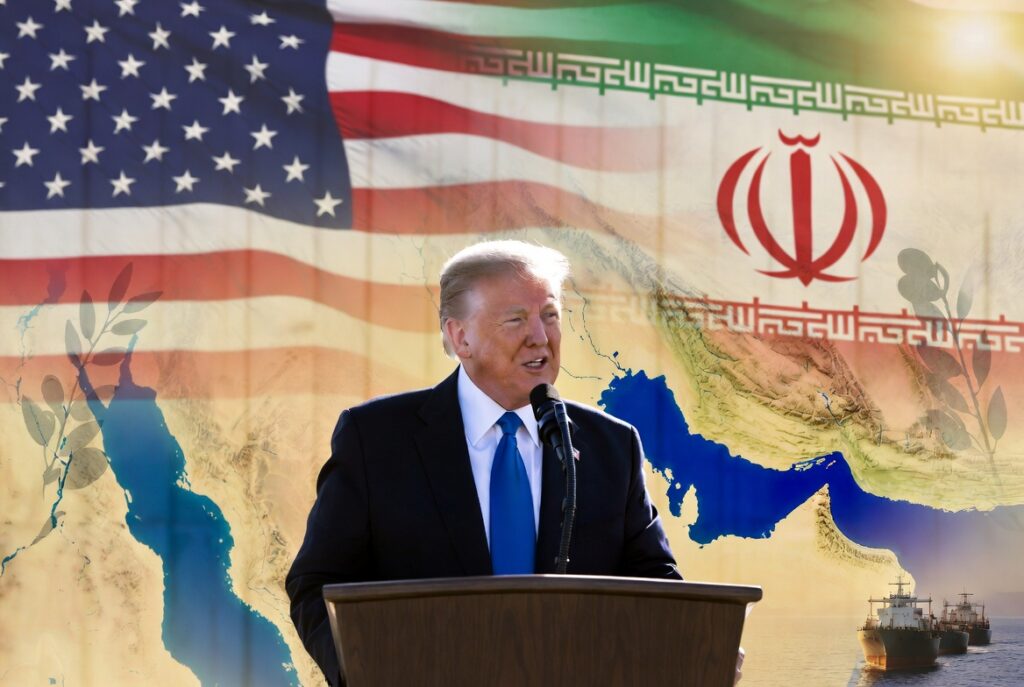
Background: The Escalation of the 2026 US-Iran Conflict
Tensions between the US and Iran have been high for years, but the situation escalated dramatically in early 2026. Following the collapse of nuclear negotiations and a series of military strikes, direct confrontation erupted in February 2026.
Why the Trump Iran Peace Deal 2026 Matters for Global Stability
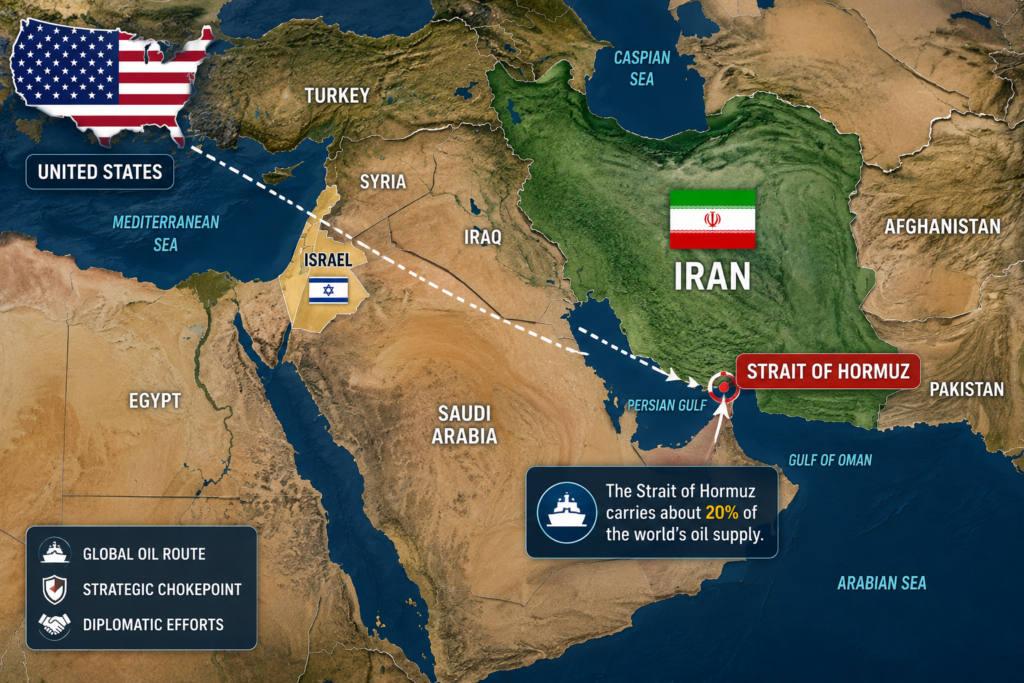
The conflict quickly impacted global energy markets. Iran responded by disrupting shipping through the Strait of Hormuz, a narrow waterway that carries approximately 20% of the world’s oil supply. This closure, combined with US naval blockades, caused oil prices to spike and created fuel shortages in several regions.
Pakistan played a crucial mediating role, helping broker initial ceasefires in April. However, violations continued until intense diplomatic pressure in June led to the current breakthrough.
Key Terms of the Trump Iran Peace Deal
The agreement is structured as a Memorandum of Understanding (MoU) rather than a permanent treaty. Main provisions include:
- Immediate ceasefire and halt of all military operations.
- Full reopening of the Strait of Hormuz to international shipping without tolls.
- Lifting of the US naval blockade on Iranian ports.
- 60-day period for deeper negotiations on Iran’s nuclear program, uranium enrichment levels, and sanctions relief.
- Possible release of frozen Iranian assets tied to compliance.
- Discussions on reducing regional tensions, including issues in Lebanon and with Israel.
The formal signing is scheduled for June 19, 2026, in Switzerland. President Trump emphasized that “ships of the world, start your engines,” signaling the immediate economic relief expected from reopened sea lanes.
Trump’s Announcement and International Reactions
On June 15 — coinciding with his 80th birthday — President Trump posted on Truth Social announcing the deal’s completion. He framed it as a major foreign policy victory and a demonstration of “peace through strength.”
Reactions around the world have been mixed:
- Allies and neutral countries largely welcomed the deal for its potential to stabilize energy markets and reduce the risk of a wider war.
- Israel expressed strong reservations, particularly regarding any territorial withdrawals and perceived leniency on Iran’s nuclear capabilities. Israeli officials have stated they will maintain positions in certain areas.
- Iran described the agreement as a step forward while claiming certain victories, though officials in Tehran remain cautious about final details.
- Oil markets reacted positively, with prices dropping sharply on the news of the strait reopening.
Economic Impact of the Agreement
The Trump Iran Peace Deal is expected to have immediate positive effects on the global economy:
- Oil Prices: Reduced uncertainty should help stabilize and potentially lower energy costs worldwide.
- Shipping and Trade: Reopening the Strait of Hormuz will restore normal shipping routes, lowering insurance costs and improving supply chains.
- Markets: Stock markets in the US and Gulf countries rose following the announcement.
- Many analysts believe the Trump Iran Peace Deal 2026 could help reduce uncertainty in international markets. If successfully implemented, the Trump Iran Peace Deal 2026 may contribute to lower energy costs and improved economic confidence worldwide.
However, analysts warn that the relief may be temporary if the 60-day negotiations fail to produce a more permanent solution on the nuclear issue.
How the Trump Iran Peace Deal Could Affect Global Oil Prices
One of the most immediate consequences of the Trump Iran Peace Deal 2026 is its potential impact on global oil prices. During the conflict, uncertainty surrounding the Strait of Hormuz caused significant volatility in energy markets. Since approximately one-fifth of the world’s oil supply passes through this strategic waterway, any disruption can quickly influence fuel prices worldwide.
The reopening of the Strait of Hormuz is expected to restore confidence among energy traders and shipping companies. Lower transportation risks may reduce insurance costs and improve supply chain efficiency. As a result, many analysts believe the agreement could help stabilize oil prices and reduce inflationary pressure in countries heavily dependent on energy imports.
However, the situation remains fragile. If negotiations fail during the 60-day ceasefire period or if military tensions return, oil markets could react sharply once again. Investors and governments will continue monitoring developments closely, as the success or failure of the agreement may have significant consequences for the global economy.
Frequently Asked Questions About the Trump Iran Peace Deal 2026
What is the Trump Iran Peace Deal 2026?
The Trump Iran Peace Deal 2026 is a diplomatic agreement announced on June 15, 2026, aimed at ending hostilities between the United States and Iran. The agreement includes a ceasefire, the reopening of the Strait of Hormuz, and a framework for further negotiations.
Is the agreement a permanent peace treaty?
No. The current agreement is a Memorandum of Understanding (MoU) designed to reduce tensions and create conditions for future negotiations. Several key issues, including Iran’s nuclear program, remain unresolved.
Why is the Strait of Hormuz important?
The Strait of Hormuz is one of the world’s most important shipping routes. Approximately 20% of global oil supplies pass through it, making its stability critical for international energy markets.
How did financial markets react to the announcement?
Global oil prices declined following the announcement, while stock markets in several regions responded positively due to expectations of reduced geopolitical risk and improved economic stability.
What are the biggest risks to the agreement?
Major challenges include disagreements over Iran’s nuclear activities, regional security concerns, political opposition from various stakeholders, and the possibility of ceasefire violations.
Geopolitical Implications and Challenges Ahead
While the deal marks a de-escalation, significant challenges remain:
- Nuclear Program — Iran’s uranium enrichment and stockpiles are still major sticking points.
- Regional Stability — Tensions with Israel and proxy groups in Lebanon and Yemen continue.
- Implementation — Trust between the parties is low, and violations could derail progress.
- Domestic Politics — Both Trump and Iranian leadership face pressure from hardliners in their respective countries.
If successful, this agreement could pave the way for broader regional peace initiatives. If it fails, the risk of renewed conflict remains high.
Historical Context: US-Iran Relations
US-Iran relations have been strained since the 1979 Iranian Revolution. Previous attempts at diplomacy, such as the 2015 JCPOA (which Trump withdrew from in 2018), show how difficult lasting agreements are in this region.
The current Trump Iran Peace Deal follows a pattern of maximum pressure followed by negotiation — a signature approach of the Trump administration.
What This Means for the Future
The Trump Iran Peace Deal 2026 offers cautious hope for stability in the Middle East. For the United States, it strengthens energy security and bolsters Trump’s image as a dealmaker. For Iran, it provides economic breathing room. For the world, it reduces the immediate threat of a major disruption in global oil supplies.
However, the true test will come in the coming months as negotiators tackle the most difficult issues.

Why the Trump Iran Peace Deal Matters Beyond the Middle East
This agreement is not only important for the United States and Iran but also for the global economy. Energy security, international trade, inflation, and geopolitical stability are all connected to developments in the Middle East. A successful agreement could strengthen diplomatic efforts in other regions, while a failure could increase uncertainty in global markets. For this reason, governments, businesses, and investors around the world are closely watching the outcome of the negotiations.
Although challenges remain, supporters argue that the Trump Iran Peace Deal 2026 represents an important opportunity for diplomacy. Critics, however, warn that the long-term success of the Trump Iran Peace Deal 2026 will depend on compliance, verification, and continued negotiations.
Conclusion
The announcement of the Trump Iran Peace Deal on June 15, 2026, is a historic moment amid a dangerous conflict. While celebrations are warranted, sustained diplomacy and verification will be essential for long-term success.
The coming weeks will determine whether this agreement becomes a lasting framework for peace or merely a temporary pause in hostilities.
The Iran agreement is only one part of the broader policy changes taking place under Trump’s second administration. Explore our analysis of the executive orders that are reshaping America and influencing global affairs.