Date: January 7, 2026
Category: World News / Geopolitics
Tags: Nicolás Maduro arrest, Trump vs Maduro, Venezuela crisis, global oil market, U.S. foreign policy
Why was Nicolás Maduro arrested?
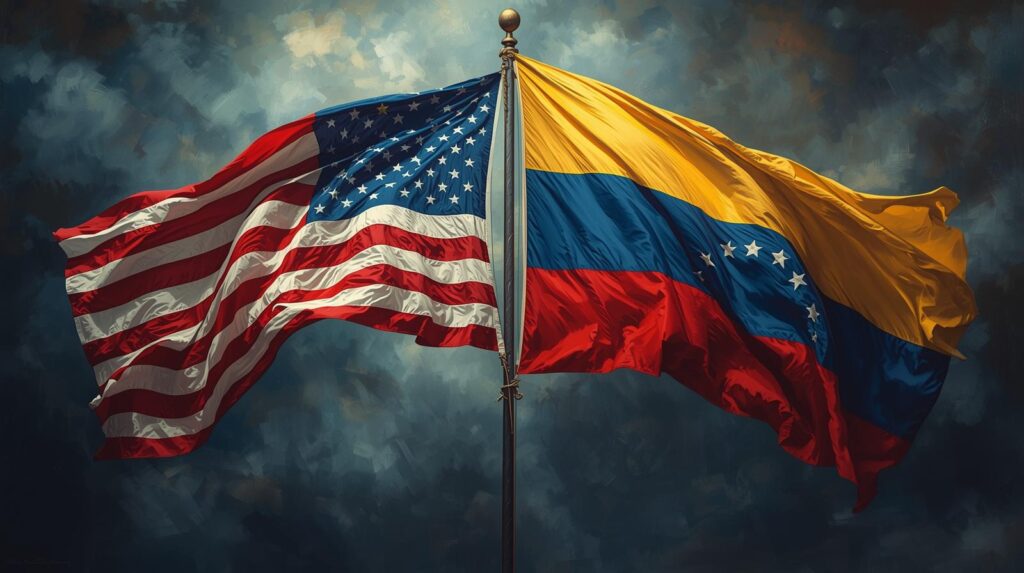
The arrest of Nicolás Maduro, Venezuela’s long-time political leader, represents a major escalation in the long-standing tensions between the United States and the Venezuelan government. According to U.S. authorities, Maduro faces multiple federal charges, including narco-terrorism, large-scale international drug trafficking, corruption, and illegal possession of military-grade weapons.
U.S. officials claim that investigations conducted over several years uncovered evidence linking members of the Venezuelan leadership to organized criminal networks operating across Latin America and the Caribbean. These allegations formed the legal basis for the operation that ultimately led to Maduro’s detention.
The U.S. government stated that the arrest was not aimed at the Venezuelan people but rather at holding accountable individuals accused of using state power to support criminal activity and undermine regional security.
The long conflict between Donald Trump and Nicolás Maduro
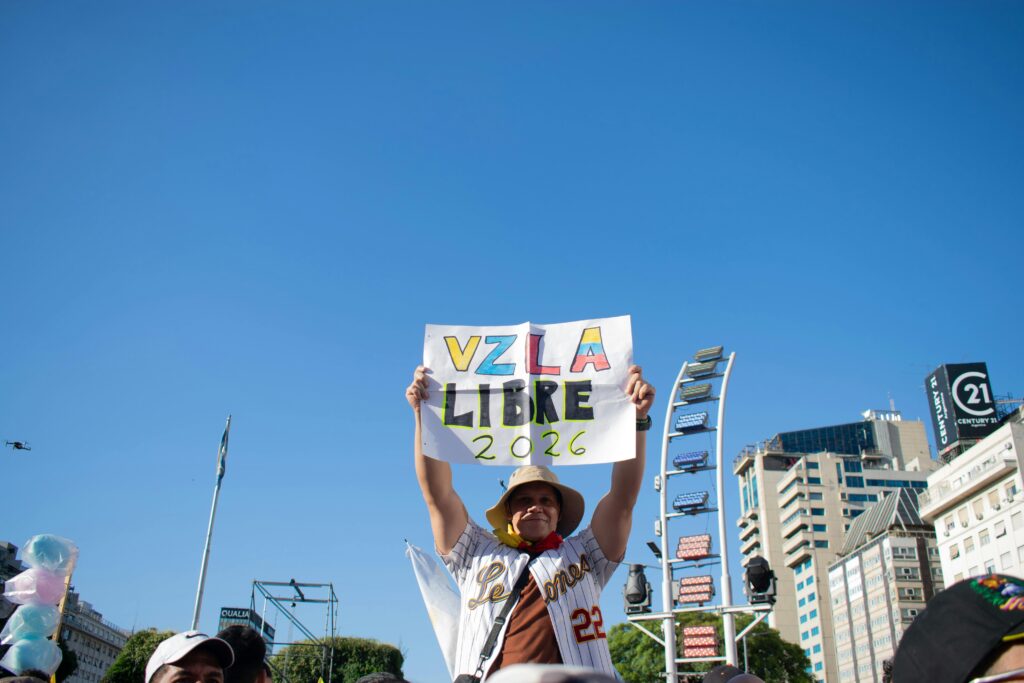
The confrontation between Donald Trump and Nicolás Maduro did not emerge overnight. During Trump’s presidency, relations between Washington and Caracas deteriorated sharply. The U.S. imposed strict economic sanctions, froze Venezuelan assets abroad, and formally recognized opposition figures as legitimate political representatives of Venezuela.
Trump consistently described Maduro’s government as authoritarian and illegitimate, accusing it of suppressing political opposition, manipulating elections, and mismanaging the country’s economy. In response, Maduro accused the United States of economic warfare and foreign interference.
This prolonged conflict created a climate of escalating pressure that ultimately culminated in direct action. Supporters of Trump argue that years of diplomatic efforts failed to produce change, leaving enforcement of international law as the only remaining option. Critics, however, warn that such actions risk destabilizing the region even further.
How the arrest operation was carried out
According to official statements, the arrest took place during a highly coordinated operation in Caracas. U.S. special forces, supported by intelligence assets, reportedly targeted secure locations connected to Maduro’s inner circle.
The operation was described as swift and precise, with the stated goal of minimizing civilian casualties and infrastructure damage. Nicolás Maduro and his wife, Cilia Flores, were detained and transported out of Venezuela shortly afterward.
Once in the United States, Maduro appeared before a federal court, where he pleaded not guilty to all charges. He claimed that his detention was illegal and described himself as a victim of political persecution, maintaining that he remains Venezuela’s legitimate president.
U.S. authorities countered that the operation was conducted under legal frameworks related to international crime and security threats.
International reactions and global responses
The arrest of Nicolás Maduro sparked strong and immediate reactions around the world, highlighting deep divisions in international politics.
Reactions from major powers
- Russia and China strongly condemned the operation, calling it a violation of national sovereignty and international law.
- Several countries in Latin America, including Brazil and Mexico, expressed concern about the use of military force and warned of potential regional instability.
- Some governments adopted a more cautious tone, urging dialogue and respect for international legal norms.
Support from opposition groups
Venezuelan opposition leaders and some international figures welcomed the arrest, arguing that it could represent a turning point after years of political and economic crisis. They believe the event may open the door to democratic reforms and international mediation.
What this could mean for Venezuela’s political future
With Maduro removed from power, Venezuela enters a period of deep uncertainty. Several scenarios are now possible:
- A transitional government supported by international organizations
- New elections under international supervision
- Continued internal power struggles involving military and political factions
- Prolonged instability if consensus cannot be reached
The outcome will depend heavily on negotiations between domestic actors and the international community. For millions of Venezuelans, the priority remains economic recovery, political stability, and access to basic services.
The impact on Venezuela’s oil industry and global markets
Venezuela possesses one of the largest proven oil reserves in the world, making its political stability critically important to global energy markets.
Following Maduro’s arrest, uncertainty has grown around:
- Control of oil production and exports
- Future sanctions policies
- The role of foreign oil companies in rebuilding infrastructure
Some analysts suggest that a political transition could eventually allow Venezuela to increase oil exports, potentially influencing global oil prices. Others caution that years of underinvestment, damaged infrastructure, and legal disputes could delay any meaningful recovery.
Energy markets are closely monitoring developments, as even modest changes in Venezuelan output could affect supply dynamics, particularly during periods of global uncertainty.
Conclusion
The arrest of Nicolás Maduro marks one of the most significant geopolitical events involving Venezuela in recent decades. Rooted in years of conflict with the United States and Donald Trump, the operation has triggered global debate over sovereignty, international law, and foreign intervention.
As Venezuela faces an uncertain political transition and the future of its oil industry remains unclear, the consequences of this event will likely shape regional and global politics for years to come. Governments, markets, and citizens around the world continue to watch closely as this historic situation unfolds.