
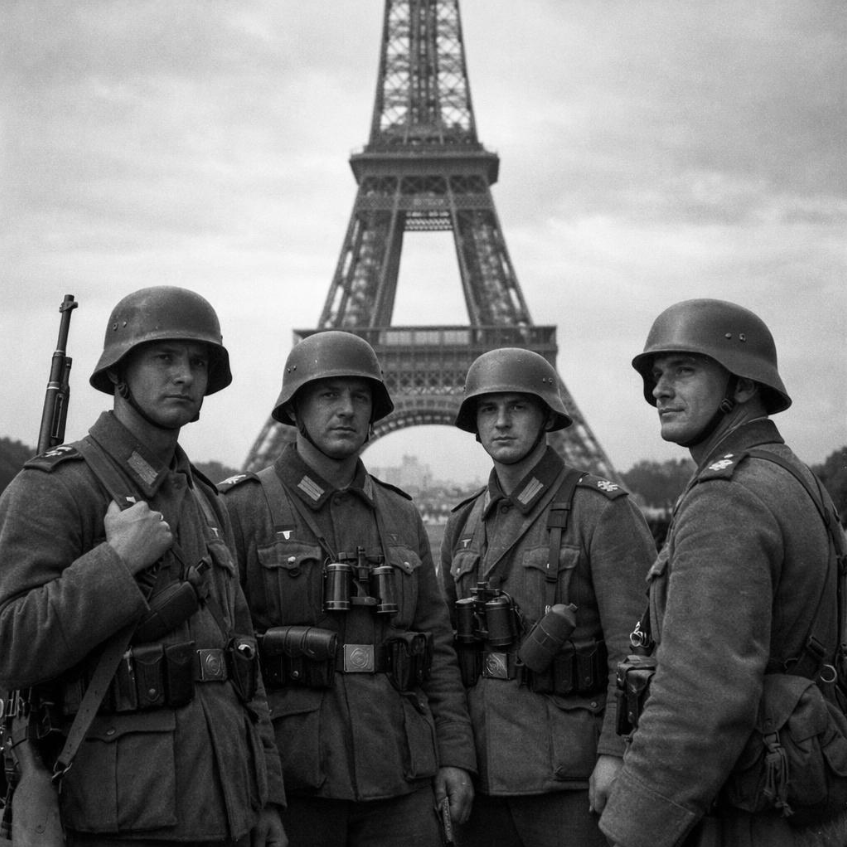
World War II was not just another conflict in human history. It was a turning point that reshaped nations, redefined power, transformed technology, and forced humanity to confront both its darkest instincts and its greatest capacity for rebuilding. More than 80 years later, the political systems, global alliances, and social values we live with today are direct consequences of decisions made during this war.
Understanding World War II is not about memorizing dates or battles — it is about understanding why the modern world looks the way it does.
The Rise of Totalitarian Regimes: When Crisis Creates Extremes
The roots of World War II lie in the chaos left behind by World War I. Economic collapse, mass unemployment, political humiliation, and social unrest created fertile ground for extremist ideologies.
In Germany, the Treaty of Versailles crippled the economy and national pride. Adolf Hitler exploited fear, resentment, and desperation to rise to power, promising stability and greatness. Similar patterns appeared in Italy under Mussolini and in Japan, where militarism became a response to limited resources and imperial ambition.
Key lesson:
When societies face prolonged instability, fear often becomes more powerful than reason. History shows that authoritarian regimes rarely emerge overnight — they grow slowly, fueled by crisis and public frustration.
This pattern remains relevant today.
The Invasion That Triggered Global War
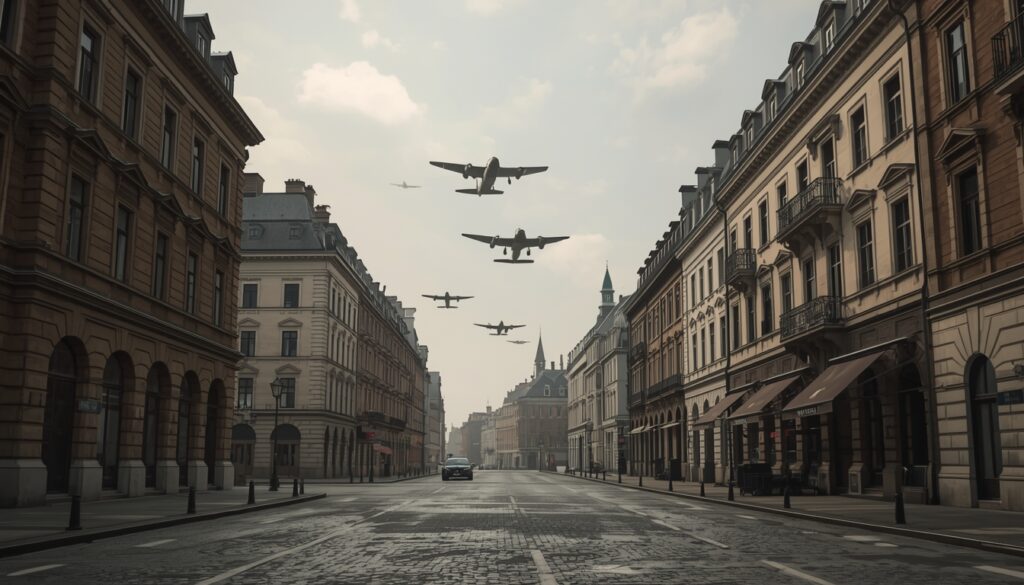
On September 1, 1939, Nazi Germany invaded Poland. Two days later, Britain and France declared war. What began as a regional conflict instantly became global.
This invasion demonstrated a new style of warfare: Blitzkrieg, or “lightning war.” Fast-moving tanks, air support, and coordinated attacks overwhelmed defenses before opponents could react.
Within months, much of Europe fell under Nazi control.
The world was no longer dealing with isolated conflicts. It was facing total war, where entire societies — not just armies — became part of the battlefield.
Strategic Decisions That Changed the Course of History
World War II was shaped by decisions that carried unimaginable consequences.
- Hitler’s decision to invade the Soviet Union opened a massive Eastern Front that drained German resources.
- Japan’s attack on Pearl Harbor forced the United States into the war, turning an already large conflict into a truly global one.
- Allied coordination between the U.S., Britain, and the Soviet Union — despite ideological differences — proved decisive.
Small strategic choices often led to massive shifts in power. A delayed invasion, a miscalculated offensive, or underestimated resistance could alter the fate of millions.
Curious fact:
Some of the most important victories were not purely military, but logistical — controlling supply lines, fuel, and industrial output often mattered more than battlefield heroics.
The Holocaust: Confronting the Darkest Side of Humanity
No discussion of World War II is complete without addressing the Holocaust.
Six million Jews were systematically murdered by the Nazi regime, alongside millions of others including Roma, disabled individuals, political prisoners, and minority groups. This was not collateral damage — it was an industrialized genocide.
The Holocaust forced humanity to confront uncomfortable truths:
- Evil can be organized.
- Ordinary people can become participants through silence or obedience.
- Progress and technology do not prevent moral collapse.
This realization reshaped international law, leading to the concept of crimes against humanity and the establishment of global human rights frameworks.
The Atomic Bomb: The Birth of a New World Order
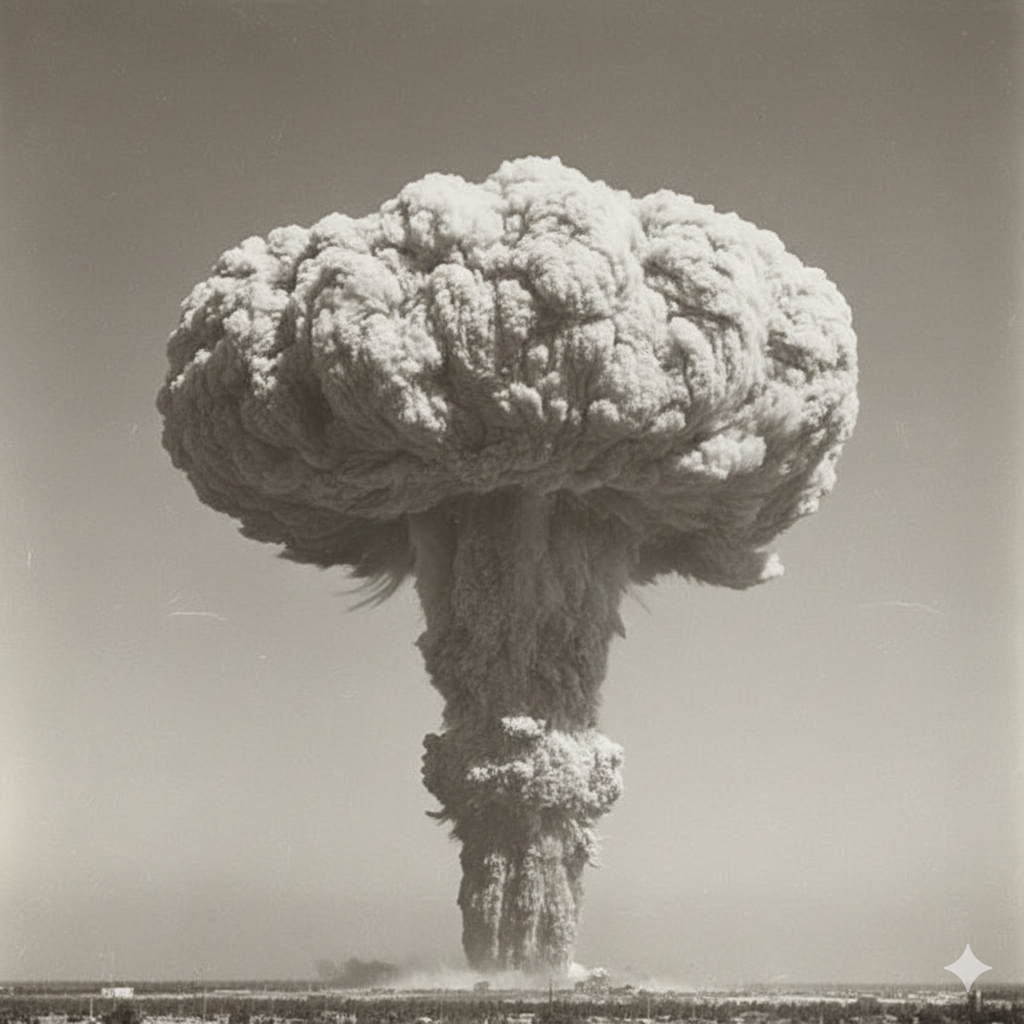
In August 1945, the United States dropped atomic bombs on Hiroshima and Nagasaki. Japan surrendered shortly after, ending World War II.
These bombings marked the first and only use of nuclear weapons in warfare — and introduced a terrifying new reality. Humanity had gained the power to destroy itself.
From that moment forward, global politics revolved around deterrence, not victory. The Cold War emerged, defined not by direct battles between superpowers, but by the fear of mutual destruction.
The bomb ended the war — but it also ensured that no future war would ever be the same.
How World War II Reshaped the Modern World
After the war, the world had to rebuild — physically, politically, and morally.
Key transformations included:
- The creation of the United Nations, aiming to prevent future global conflicts.
- The rise of the United States and the Soviet Union as superpowers.
- The division of Europe, leading to decades of ideological confrontation.
- Decolonization, as weakened European empires lost control over colonies.
Institutions, borders, and alliances formed in the aftermath of World War II still define international relations today.
Technological and Social Evolution After the War
While born from destruction, World War II accelerated progress:
- Medical advances (antibiotics, trauma care)
- Aviation and space technology
- Computing and communications
- Expansion of education and scientific research
Socially, the war altered gender roles, labor systems, and civil rights movements. Women entered the workforce in unprecedented numbers, and marginalized groups began demanding recognition and equality.
Ironically, one of history’s most violent conflicts laid the groundwork for modern innovation and social change.
Reflection: What Did Humanity Actually Learn?
World War II taught the world powerful lessons — but remembering them is a choice.
It showed that:
- Democracy is fragile.
- Fear can override morality.
- Silence enables injustice.
- Cooperation can overcome even the greatest threats.
The modern world enjoys relative stability not because humanity became perfect, but because it learned — temporarily — the cost of forgetting history.
Source: United States Holocaust Memorial Museum
Conclusion: Why World War II Still Matters Today
World War II is not just a chapter in history books. It is the foundation of the world we live in.
Every international institution, every global alliance, every discussion about human rights and nuclear weapons traces its roots back to this conflict.
Understanding World War II is not about the past — it is about recognizing patterns in the present and making better decisions for the future.
History does not repeat itself exactly, but it often rhymes.
And the echoes of World War II are still very loud.
For more global insights and historical analysis, visit InfoIsTheKey.